Table of Contents
Introduction
You’ve designed the collection, shot the lookbook and launched the site. Now you want editors to notice. Knowing how to pitch fashion editors is less about clever emails and more about preparation: the right editor, the right timing, assets they can use immediately, and a pitch that respects how busy they are.
This guide walks through the whole process for an emerging US label: finding the right editor, building a press kit, writing the pitch, handling samples and following up without being a nuisance.
Key takeaways
- Pitch the editor who covers your kind of product. For a new label that’s often a shopping or market editor.
- Have a short lookbook, a line sheet and product cut-outs on a white background ready before you pitch.
- Print magazines work months ahead; online editors work weeks or days ahead.
- Offer samples instead of sending them unasked, and follow up once.
How to Pitch Fashion Editors in 6 Steps
To pitch a fashion editor, find the right editor, prepare your press assets, time it to their lead time, send a short personal email, offer samples and follow up once:
- Find the right editor for your product and the section they cover.
- Build your press assets: lookbook, line sheet, product cut-outs and a short brand story.
- Time it right: print works months ahead, online works weeks or days ahead.
- Write a short, personal pitch with images attached or linked.
- Offer samples, don’t send them unasked.
- Follow up once, then wait for your next real news.
Why most pitches get ignored
Editors get a flood of emails, and most of them are generic. A pitch that names the wrong section, attaches a 30MB PDF or reads like a mass mailing usually gets deleted unread. The fix isn’t more pitches. It’s fewer, better-aimed ones.
Where you can realistically start
A new label rarely lands a major print glossy first. Online fashion and lifestyle sites, shopping roundups, local and regional magazines and niche publications that match your customer are all realistic first targets, and they build the clippings that make bigger editors take you seriously.
Step 1: Find the Right Editor (and the Right Time)
The right editor is the one who covers your product category, and the right time depends on whether they work in print or online.
Match your product to the right section
Magazines and sites are split into sections, and each has its own editor. StartUp FASHION suggests learning how each section is structured and who runs it, and matching the product to the section: an accessories editor for accessories, for example (StartUp FASHION). Shopping and “market” editors who put together product roundups are often the best first contact for a new label.
Check the masthead, read recent issues or posts, and note who writes the kind of piece you’d fit into.
Lead times: print vs online
Timing trips up more new brands than anything else. Long-lead glossy magazines plan months ahead; StartUp FASHION puts it at roughly three to six months (StartUp FASHION, 2019). Online outlets and newspapers can work a few weeks or even a few days out.
So for a summer collection, you’d start talking to long-lead print editors in winter, shorter-lead titles in spring, and online editors right through the season. Treat these as rough guides: every outlet is different, so check their media kit or ask.
Step 2: Build Your Press Assets
Editors expect three things before they’ll consider a new label: a lookbook, a line sheet and clean product images.
The lookbook
This is the asset editors look at first. StartUp FASHION describes a lookbook as a PDF of “beautifully created lifestyle images, some cut-outs, and your USP and retail prices.” Keep it short and on brand. Send a small, compressed file or a link, never a huge attachment.
The line sheet
A simple document listing each product with a cut-out image, name, price and your contact details. It makes it easy for a shopping editor to drop your piece into a roundup.
Product cut-outs and high-resolution images
Editors building shopping pages need product images on a white or transparent background. StartUp FASHION recommends 300dpi, high-resolution cut-outs. Have them ready in a shared folder you can link to.
Brand story and founder bio
One paragraph on who you are, what you make, who it’s for, and what makes it different. Include where people can buy it and your price range. Editors need to tell readers where to shop.
Step 3: Write the Pitch Email
A good fashion pitch is short, uses the editor’s name and says in one line why your piece fits their section.
Keep it short and personal
StartUp FASHION’s advice is blunt: never send a generic press release or recycled email to an editor. Use their name, mention the section you’re pitching, and explain in one line why your piece fits it.
A simple template
Subject: [Product] for your [section / story] — [one-word hook, e.g. “Spring”, “Under $100”]
Hi [Name],
I’m [your name], founder of [brand], a [one-line description] made in [place].
I think our [product] could work for [section or recent story you saw], because [one specific reason].
I’ve linked a few images and our lookbook below. Prices start at $[X], and it’s available at [stockists / your site].
Happy to send a sample if it would help.
[Name] · [Phone] · [Link to images]
What to leave out
Long brand histories, big attachments, multiple editors in the CC line, and anything that sounds like an ad. If you have real news, like a collaboration, a pop-up or a celebrity wearing your piece, lead with that.
Step 4: Samples: When and How to Send Them
Don’t post samples to editors unasked. Offer them in the pitch and send when an editor requests one. Unsolicited parcels usually end up in a pile with no context.
When you do send a sample:
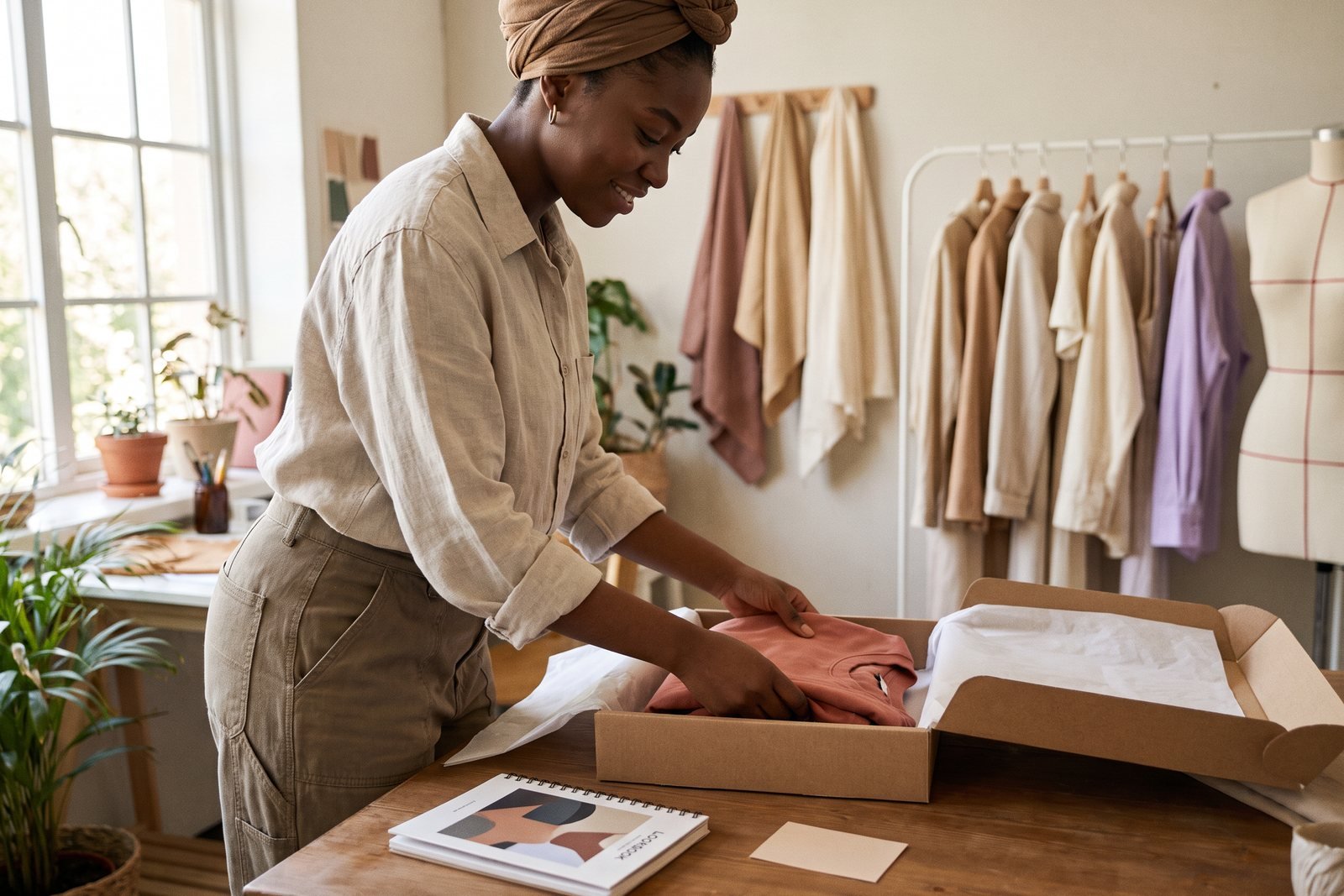
- Include a printed card with the product name, price, where to buy and your contact details.
- Agree up front whether you need it back, and include return postage if you do.
- Keep a simple log of what went where and when, so nothing gets lost.
Step 5: Follow Up Without Annoying Editors
One follow-up is fine. StartUp FASHION says a short call or email confirming the editor received your lookbook “is totally ok.” After that, let it go for this season. Editors pass for all kinds of reasons, often just timing. Come back when you have a new collection, a launch or real news.
Meanwhile, engage on social media the way a real person would. Thoughtful comments on an editor’s work are fine. Generic praise isn’t.
Earned Coverage vs Guaranteed Placements
Everything above is about earned coverage: an editor choosing to feature you. It carries the most weight, but nobody can promise when or if it happens.
Guaranteed placements in named outlets are the other route. They give you dated coverage for a launch, and articles you can link from your site and share with stockists. The key is honesty: a guaranteed placement is often sponsored or partner content, and readers and buyers should be able to tell. We tell clients which placements are sponsored before they buy, and they approve every article before it’s published. Many brands use both: guaranteed coverage at launch, and earned pitching over the following seasons. See our fashion PR service for how that works.
Conclusion
Pitching fashion editors well comes down to preparation and respect for their time. Know which editor covers your kind of product, build a tight lookbook and line sheet, pitch at the right lead time with a short, personal email, offer samples rather than sending them, and follow up once. Do that season after season and the clippings add up. For more ideas, see our guides on fashion PR and marketing for emerging brands, five ways fashion PR builds your brand and why print magazines still matter for fashion brands.
Frequently Asked Questions
Should I send samples to editors without asking?
No. Offer a sample in your pitch and send it when an editor asks for one.
How far ahead should I pitch a print magazine?
Long-lead glossy magazines often plan three to six months ahead. Online outlets can work weeks or days ahead. Check each outlet’s media kit or ask.
What goes in a fashion press kit?
At minimum: a lookbook, a line sheet, high-resolution product cut-outs, a short brand story and founder bio, prices, stockists and contact details.
How do I get my clothing brand in magazines?
Start with online, niche and regional outlets that match your customer, and pitch the editor who covers your kind of product. Use those clippings to approach bigger titles. A major glossy is possible for a new label, but competitive.
Do I need a PR agency to pitch fashion editors?
Not to start. Many founders pitch themselves. An agency helps when you need guaranteed coverage on a date, more time back, or relationships you don’t have yet.